- Languages :


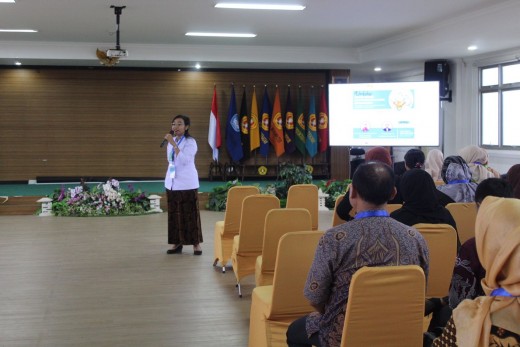
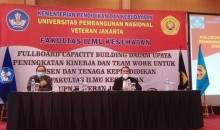
FIKES UPNVJ - Wednesday, December 4, 2024, located at the Auditorium of the 8th floor of the MerCe Building and the Nursing Laboratory, Faculty of Health Sciences (FIKES), National Development University "Veteran" Jakarta (UPNVJ), as many as 52 external participants and 32 internal participants attended the nursing preceptorship training with speakers namely Dr. Masfuri, S.Kp., MN and Ns. Erna Puspita Sari, S.Kep., M.Kep., Sp.Kep.M. External participants are clinical nurse supervisors from various hospitals or health facilities such as Depok Regional Hospital, Gatot Soebroto Army Hospital, Pasar Minggu Regional Hospital, Pasar Rebo Regional Hospital, Cengkareng Regional Hospital, Bekasi Regional Hospital, Tarakan Regional Hospital, Mintoharjo Naval Hospital, Soeyoto Hospital, Cilandak Marine Hospital, National Police Hospital, Soeharto Herdjan Hospital, AGD Dinkes, PSTW Budi Mulya 1 Cipayung and PSTW Budi Mulya 4 Ciracas. Internal participants are nursing lecturers from various scientific specializations such as nursing management and basic nursing, medical surgical nursing, critical and emergency nursing, pediatric nursing, community nursing, maternity nursing and psychiatric nursing.
This preceptorship training aims to improve the knowledge and skills of clinical nurses regarding clinical guidance (preceptorship) and implement preceptorship knowledge and skills in assisting and guiding UPN “Veteran” Jakarta nursing students during practice in the practice field. After participating in this training, participants will receive a 10 SKP certificate from the Ministry of Health and be competent to conduct clinical guidance for students or new nurses.
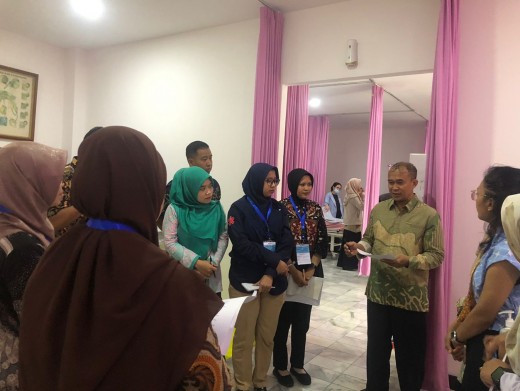
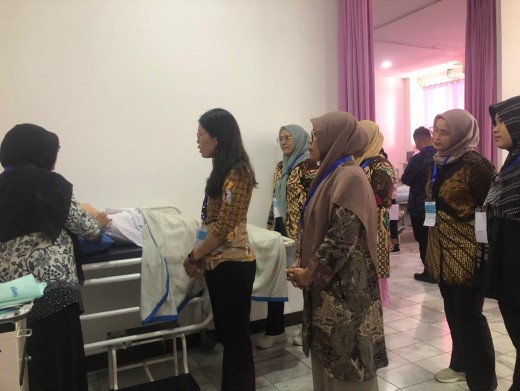
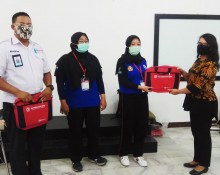
The training activity then continued to the second day which was a practice of the clinical guidance method and evaluation. This simulation practice was carried out in the nursing laboratory on the 4th floor of FIKES UPNVJ. The simulated clinical guidance methods include preceptorship simulation, pre & post conference and journal reading, bedside teaching, round, and roleplay. In addition, participants also simulated clinical guidance evaluations which include cognitive, affective, and psychomotor. External and internal participants were divided into 6 groups and simulated the six methods and evaluations of clinical guidance alternately at each practice station accompanied by each facilitator. The clinical guidance practice station included a 5-step preceptorship simulation with facilitator Ns. Cut Sarida Pompey, S.Kep., M.N.S, a bedside teaching simulation with facilitator Ns. Eny Dewi Pamungkas, S.Kep, M.Kep., Sp.Kep.M, nursing round simulation with facilitators Ns. Gamya Tri Utami, S.Kep., M.Kep and Ns. Raphita Diorarta, S.Kep., M.Kep., Sp.Kep.J, roleplay simulation with facilitators Ns. Indah Permatasari, S.Kep., M.Kep and Ns. Hesti Rahayu, S.Kep., M.Kep., Sp.Kep.M.B, Evaluation simulation with facilitator Ns. Chandra Triwahyudi, S.Kep., M.Kes., M.Kep, and pre-post conference and journal reading simulation with facilitator Ns. T. Widya Naralia, S.Kep., M.Kep., Sp.Kep.K. During the participants' practice, the resource persons Dr. Masfuri, S.Kp., MN and Ns. Erna Puspita Sari, S.Kep., M.Kep., Sp.Kep.M also accompanied and provided input and direction from the practice carried out by the participants.
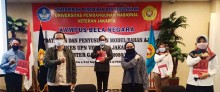
The end of the second day of practice activities was evaluation and discussion. Speakers Dr. Masfuri and Ns. Erna provided an evaluation and representatives of the participants conveyed messages and impressions during the 2 days of training.
The Head of the Nursing Department, Ns. Cut Sarida Pompey, S.Kep., M.N.S, in her closing remarks congratulated the participants and gave appreciation for the enthusiasm and enthusiasm of the participants in the 2 days of preceptorship training. She hopes that the knowledge and skills that have been learned during the training can be useful and implemented in providing clinical guidance to students or new nurses, especially FIKES UPNVJ nursing students who are undergoing practice in the practice field. With good learning and clinical guidance, it is hoped that it will produce professional nurse graduates who are ready to work, able to provide quality nursing care, uphold the professional code of ethics, and are able to collaborate interprofessionally in the process of providing care to patients and their families.
Daftar sekarang untuk menerima berita terkini, lowongan kerja, dan informasi lainnya.